Aircraft Electric Tow Bar – Mini Max Style: Dependable Light Aircraft Mobility
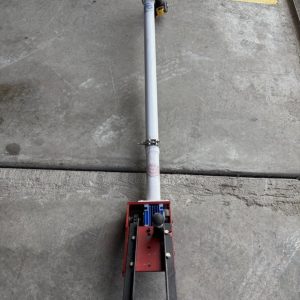
The Aircraft Electric Tow Bar – Mini Max Style is designed to make routine aircraft movement easier for private hangars, maintenance shops, general aviation operators, and aircraft owners. A properly selected Aircraft Electric Tow Bar can support safer, more efficient aircraft positioning while limiting the effort required from the operator.
A used Electric Tow Bar for Aircraft can provide strong practical value when its drive system, frame, connections, controls, and included accessories remain in good condition. Before purchasing a Used Electric Aircraft Tow Bar, operators should confirm that the unit functions properly and can attach securely to the intended aircraft.
The compact design of a Mini Max Aircraft Tow Bar makes it a practical option for individual aircraft owners, small maintenance shops, and shared hangar facilities. An Aircraft Tow Bar with Drill provides powered movement, while the included Aircraft Tow Bar with Charger supports convenient battery maintenance between uses.
Because it occupies less space than many dedicated tugs, a Portable Aircraft Tow Bar may be especially useful where hangar organization and storage capacity are important. This Powered Aircraft Tow Bar can also serve as an Electric Airplane Tow Bar for compatible light aircraft when the connection method, aircraft weight, nose-wheel arrangement, surface, and operating conditions are suitable.
For buyers comparing Aircraft Ground Handling Equipment, this tow bar offers a smaller and potentially more affordable alternative to a full-size aircraft tug. The unit can function as an Aircraft Hangar Tow Bar, Aircraft Moving Equipment, Electric Aircraft Mover, Aircraft Mobility Equipment, or Light Aircraft Tow Bar when verified for the intended application.
Exploring the Aircraft Electric Tow Bar – Mini Max Style
The Aircraft Electric Tow Bar – Mini Max Style is intended to combine a tow-bar connection with a powered drive arrangement for manageable aircraft movement. The buyer should assess the complete operating environment because aircraft weight alone does not determine whether the tow bar is suitable.
A Mini Max-style unit may help operators manage tight hangar spaces where a larger tug would be difficult to store, turn, or operate. Operators should still use a wing walker or additional observer when visibility is restricted, clearances are limited, or the aircraft is being moved near other equipment.
Electric Tow Bar for Aircraft Applications
An Electric Tow Bar for Aircraft provides powered assistance that may help owners move compatible airplanes without relying on several people for routine hangar operations. Owners may use the unit when positioning an aircraft for departure, inspection, servicing, photography, washing, or long-term storage.
A tow bar allows the aircraft to be repositioned without operating the engine in confined areas where propeller safety and ventilation are concerns. However, the operator must ensure that brakes are released appropriately, control locks are considered, the intended path is clear, and the aircraft is prepared for towing.
Buying a Used Electric Aircraft Tow Bar
A Used Electric Aircraft Tow Bar can provide excellent value when it has been operated carefully, stored correctly, and supplied with functioning powered accessories. According to the available description, the tow bar previously moved a Navion and was removed from regular use only because the owner purchased a larger tug.
The inspection should include structural welds, connection points, tires or rollers, controls, drive components, battery condition, charger cable, and included accessories. When an in-person inspection is not practical, a functional video can help confirm that the powered system operates under realistic conditions.
Mini Max Aircraft Tow Bar Design
A Mini Max Aircraft Tow Bar is generally selected by operators who want powered movement in a compact configuration that does not occupy the floor space of a conventional aircraft tug. A compact tow bar may be easier to maneuver around crowded hangar spaces than a wide or heavy tug.
A qualified person should review the attachment method and operating geometry before the tow bar is used on an unfamiliar airplane. Safe operation requires keeping within the aircraft manufacturer’s towing limits and avoiding excessive steering angles or sudden directional changes.
Using an Aircraft Tow Bar with Drill
A powered drill allows the tow bar to generate controlled movement while keeping the overall system relatively compact and portable. Operators should confirm forward and reverse settings, torque control, battery charge, secure engagement, and comfortable access before towing.
The tow bar should be practiced without obstacles before it is used in a confined hangar or near another aircraft. The drill should be stored according to its manufacturer’s recommendations and protected from moisture, impact, extreme heat, and unintentional activation.
Benefits of an Aircraft Tow Bar with Charger
Including the charger can simplify setup for the new owner here and help maintain the drill battery between aircraft-moving operations. Correct charger compatibility protects battery performance and reduces the risk of overheating, incomplete charging, or damage to the power system.
A spare compatible battery may be useful for operators who move aircraft frequently or require reliable availability during maintenance operations. Good battery management is an essential part of dependable operation for any drill-powered aircraft tow bar.
Portable Aircraft Tow Bar Applications
A Portable Aircraft Tow Bar may be transported more conveniently than a full-size tug, depending on its weight, dimensions, and storage configuration. Before transporting the tow bar in a vehicle, it should be secured to prevent movement, impact, contamination, and damage to surrounding cargo.
A wall bracket, floor stand, storage shelf, cabinet, or protected corner may help keep the unit organized and prevent accidental contact inside the hangar. Shared facilities may benefit from assigning responsibility for charging, inspection, storage, and reporting any equipment concerns.
Choosing a Powered Aircraft Tow Bar
Powered assistance can improve convenience for owners who operate alone, although aircraft movement should never exceed the operator’s ability to observe and control the situation. Buyers should request information about the aircraft previously moved, typical ground conditions, operating frequency, and any limitations experienced by the seller.
Hands, feet, clothing, cables, and tools must remain clear of wheels, drive parts, attachment points, and the aircraft’s movement path. Wheel chocks should remain available so the aircraft can be secured promptly after movement or if the powered system loses function.
Electric Airplane Tow Bar Benefits
General aviation users may choose an Electric Airplane Tow Bar for personal convenience, reduced manual strain, compact storage, and straightforward powered operation. Compatibility review protects the landing gear, steering components, fairings, tires, and tow equipment from avoidable damage.
The operator should avoid attempting movement when the ground condition exceeds the traction or control capability of the equipment. Regular practice in an open area can help a new user learn turning response, speed control, stopping distance, reverse behavior, and attachment movement.
Aircraft Ground Handling Equipment Selection
Aircraft Ground Handling Equipment should be selected according to aircraft type, weight, towing arrangement, movement frequency, surface condition, hangar layout, and available storage. A complete package with a functioning drill and charger may offer greater practical value than an incomplete tow bar with a lower advertised cost.
Any cracks, bending, unusual noise, slipping, electrical problems, or control concerns should be corrected before the equipment is used again. Well-maintained ground-support equipment contributes to efficient hangar operations and reduces avoidable risk to aircraft and personnel.
Using an Aircraft Hangar Tow Bar
An Aircraft Hangar Tow Bar should provide controlled low-speed movement that allows the operator to align the aircraft carefully within the available space. The operator should confirm wingtip, tail, propeller, antenna, and control-surface clearances throughout the intended route.
The operator remains responsible for monitoring the aircraft, tow connection, ground surface, nearby people, and available clearance at all times. The drill, charger, adapter, and loose hardware should be returned to their assigned storage locations after use.
Aircraft Moving Equipment Benefits
Owners should select Aircraft Moving Equipment according to real operating needs rather than purchasing equipment intended for substantially larger aircraft or commercial fleets. Wheel resistance can increase because of low tire pressure, brake drag, uneven floors, cold conditions, or aircraft inactivity.
Protecting the aircraft is more important than completing the movement quickly or adapting the tow bar without proper guidance. Regular maintenance preserves equipment value and gives the operator greater confidence during every aircraft movement.
Electric Aircraft Mover Operation
An Electric Aircraft Mover provides powered assistance for repositioning an airplane without the fuel system, engine, seat, and vehicle structure of a conventional tug. Operators should recognize signs of overload, including drill strain, repeated stopping, wheel slip, excessive heat, slow movement, unusual noise, or attachment distortion.
The drill and charger can be maintained separately, and compatible batteries may be replaced when capacity declines. The charger, battery, and drill should be tested periodically even when the tow bar has not been used recently.
Aircraft Mobility Equipment Benefits
The right Aircraft Mobility Equipment can improve hangar efficiency by allowing aircraft to be moved without reorganizing personnel or starting engines unnecessarily. The operator may still require wing walkers, chocks, additional adapters, or other equipment depending on the aircraft and hangar arrangement.
Simple standardization improves consistency and makes it easier to identify when equipment has been damaged or returned incomplete. Owners should review equipment needs whenever the aircraft, hangar, ramp surface, storage location, or operating routine changes.
Light Aircraft Tow Bar Selection
A suitable Light Aircraft Tow Bar provides secure attachment, sufficient powered assistance, predictable steering, controlled stopping, and manageable storage. Proper fit protects the landing gear, steering stops, fairings, tires, brakes, and towing equipment during movement.
A properly prepared aircraft should roll smoothly enough that the tow bar provides assistance rather than excessive force. Careful selection and maintenance allow compact towing equipment to remain a dependable part of private aircraft ownership.
Long-Term Tow Bar Ownership
Preventive care helps operators identify minor wear before it becomes a failure that interrupts aircraft movement or risks damage. Inspection frequency should increase when the equipment is used outdoors, shared among several operators, transported regularly, or exposed to moisture and uneven surfaces.
- Examine all high-load areas and stop using the equipment if any component appears weakened, distorted, loose, or unreliable.
- Check the charger cable, battery contacts, drill chuck, drive interface, control response, and available power before an important movement.
- Protect the system from moisture, chemicals, impact, vehicle traffic, excessive heat, freezing conditions, pests, and unintentional activation.
Final Thoughts on the Aircraft Electric Tow Bar – Mini Max Style
The Aircraft Electric Tow Bar – Mini Max Style offers an appealing combination of powered operation, portable design, direct control, and included accessories. A successful purchase depends on attachment fit, aircraft weight, ground conditions, drill performance, charger function, structural integrity, and seller transparency.
Whether the unit will support private ownership, maintenance work, shared hangar operations, or general aviation storage, training and equipment care are central to dependable performance. With professional compatibility review, controlled use, organized storage, and preventive maintenance, the unit can remain a practical alternative to larger towing machinery.